Kids who are older than 6 but younger than 13 who have not had chickenpox also may get the vaccine with the 2 doses given 3 months apart. The optimal interval between doses will depend on the goal of the immunization program.
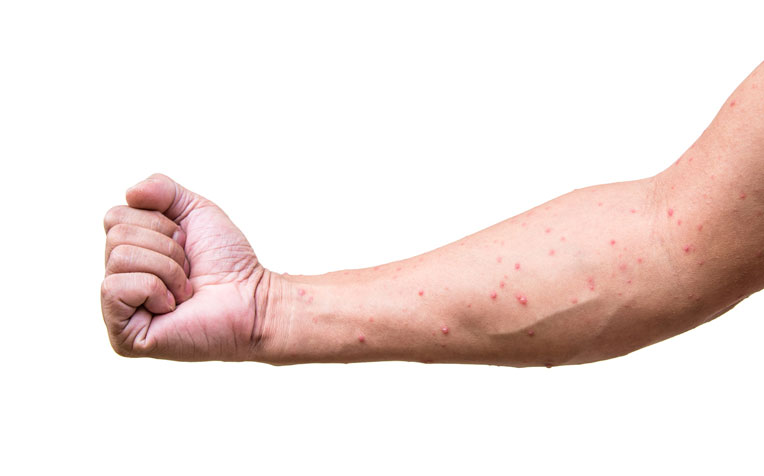 Chicken Pox In Adults Symptoms And Complications Healthxchange
Older children adolescents and adults also need 2 doses of varicella vaccine if they are not already immune to chickenpox.

What age is chicken pox vaccine given. How effective is the chickenpox vaccine. Chickenpox immunisation is recommended for. Children at age 18 months for free under the National Immunisation Program NIP children under 14 years old who have had one dose of chickenpox vaccine but want to get a second dose to further reduce their risk of disease.
Chickenpox is a highly contagious disease caused by the varicella-zoster virus VZV. 4-6 years The second dose of the chickenpox vaccine will be offered to children from 4 to 6 years of age in the form of the MMRV measles-mumps-rubella-varicella vaccine. It can cause an itchy blister-like rash.
Recommended number of doses Two shots at least three months apart. The chickenpox vaccine may be given by itself or combined with other vaccines. Who should get the chickenpox vaccine.
The recommended interval between 2 doses is 3 months. As part of the routine childhood immunization program the publicly funded chickenpox vaccine will be offered to children at 15 months of age for the first dose. The varicella vaccine did not become widely available in the United States until 1995.
Children are routinely recommended to receive the first dose at age 12 through 15 months and the second dose at age 4 through 6 years. Having 2 doses is recommended as this gives an even better immune response. The Australian Immunisation Register will record MMR vaccine given at 11 months of age as a valid dose to calculate immunisation status.
Primary infection with varicella-zoster virus causes varicella chickenpox. The booster dose may be given 3 months after the first but may be delayed until the child is 4 to 6 years old. Your child should receive 2 chickenpox vaccines.
The second dose is given at 4 to 6 years. CDC recommends two doses of chickenpox vaccine for children adolescents and adults who have never had chickenpox and were never vaccinated. People who are at least 13 years old and have never had chickenpox or received a varicella vaccine should receive 2 doses 4 to 8 weeks apart.
Two doses of the chickenpox vaccine is more than 90 effective at preventing chickenpox. It is not always necessary to repeat the first dose of MMR vaccine if it was given between 11 months and. Varicella vaccine may be given at the same time as other vaccines.
Varivax which contains only the chickenpox vaccine and can be given to anyone over the age of 12 months ProQuad also known as the MMRV vaccine which contains vaccines against measles mumps rubella and chickenpox varicella and can be given to anyone 12 months to 12 years old. Prevention and control Varicella can be prevented by immunization. 4 through 6 years of age.
Varicella vaccine may be given at the same time as other vaccines. They get a booster shot for further protection at 4 to 6 years of age. In the US we have two vaccines that protect against chickenpox.
The first varicella-containing vaccine dose should be administered at 12 to 15 months of age and the second dose at 18 months of age or any time thereafter but no later than around school entry. Chickenpox Immunization Schedule The varicella vaccine is given as a shot when kids are between 12 and 15 months old. Children who get the vaccine after age 13 can get the shots 4 to 8 weeks apart.
It is recommended that the 1st dose be repeated if it was given at. A dose provided at 11 months but before 12 months of age may be sufficiently immunogenic especially in infants born to mothers with measles. 12 through 15 months of age.
Varicella is a highly contagious infection caused by varicella-zoster virus. Its been shown that 9 out of 10 children vaccinated with a single dose will develop immunity against chickenpox. The chickenpox vaccine is recommended for all children under age 13 who have not had chickenpox.
Children from 1 to 12 years old should receive 2 doses. The first dose of varicella chicken pox vaccine is routinely given to children at 15 months of age and the second dose of varicella vaccine is given in combination with measles mumps and rubella as MMRV vaccine at 4-6 years of age. 4 through 6 years of age Older children adolescents and adults also need 2 doses of varicella vaccine if they are not already immune to chickenpox.
The National Advisory Committee on Immunization NACI recommends that healthy children 12 months to 12 years of age should receive two doses of varicella-containing vaccine univalent varicella or MMRV for primary immunization. Varicella-containing vaccine is recommended for children at 18 months of age as MMRV measles-mumps-rubella-varicella vaccine. The first dose is given at 12 to 15 months.
In the UK the vaccine is only recommended in people who are particularly vulnerable to chickenpox. Children need 2 doses of varicella vaccine usually. The vaccine is given as 2 separate injections usually into the upper arm 4 to 8 weeks apart.
For individuals 1318 years old the catch-up vaccination should be given 4 to 8 weeks apart a minimum interval of 4 weeks. It is also recommended for all adolescents and adults who have not been vaccinated and have not had. The second dose may be given before a child is 4 years old if at least 3 months have passed since the first dose.

